“all rabbi” search results (300)

Indonesian Coffee Arabica Coffee Flavor introduces the characteristics of Indonesian Coffee
Arabica coffee trees grow between 900m and 2000 m above sea level; they are hardy, and the suitable growth temperature is 1524 ℃; they need more humidity, and the annual rainfall is not less than 1500 ml. At the same time, they also require higher cultivation techniques and conditions. Arabica coffee beans are mainly grown in South America (except Argentina and parts of Brazil), Central American countries and Africa.
2016-08-03 Indonesia coffee rabbi manor producing area flavor taste introduction characteristics
Nutrition of Arabica coffee beans what are the nutritional values of Arabica coffee beans?
Arabica coffee beans are the raw materials for making coffee, but now very few people use coffee beans to make coffee, and most of the time they brew instant coffee directly, but the nutritional value of Arabica coffee beans can not be caught up by eight horses of instant coffee. So what are the nutritional values of Arabica coffee beans? As follows: 1. Contains caffeine. Caffeine is a coffee shop.
2015-11-02 Rabbi coffee beans nutrition value all which rabbi production coffee
Introduction of Arabica Coffee beans with excellent Flavor
Arabica Canephora Robusta has a significant difference. Beans are different, plants are different, and then, their scope of use is also different. Arabica coffee has a rich and delicate taste, strong smell, high acidity and slippery texture: it is not easy to be bitter; caffeine is lower than Robusta coffee. Its excellent flavor and aroma make it the only coffee that can be drunk directly.
2016-07-12 Excellent flavor rabbi coffee beans introduction Allah Biya coffee taste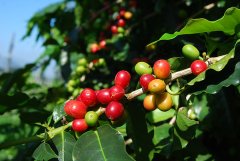
Comparison of three original species of Coffee Tree Arabica Coffee Tree
Everyone should have heard of Elaraby as a kind of coffee. The best quality beans of the famous Colombian coffee are all Elaraby varieties. When it comes to the variety of coffee, we must first understand the type of coffee tree. At present, the most important coffee beans in the world are mainly from Arabica, Robata and Liberia. these three varieties of coffee beans are the three original species of coffee trees.
2015-09-25 Coffee three original comparison rabbi everybody should have heard of it this
Arabica Coffee beans Coffee cultivation in China
Arabica coffee accounts for 70% of all coffee production, and its excellent flavor and aroma make it a direct drinkable coffee with only eight Arabica beans (8). But its resistance to dryness, frost, diseases and insect pests is too low, especially the natural enemy of coffee-leaf rust, so all producing countries are committed to
2016-06-04 Rabbi coffee beans China coffee planting situation all output rabbi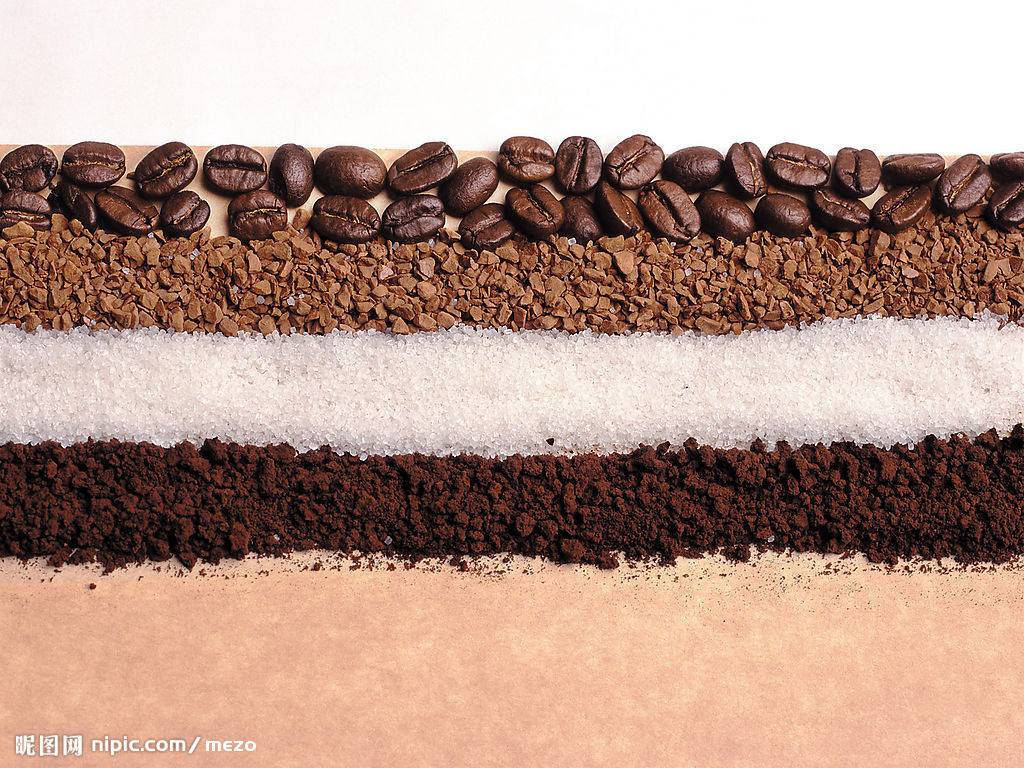
The characteristics of Arabica beans nutritional caffeine of Arabica coffee beans
The nutrition of Arabica coffee beans Arabica coffee beans are the raw materials for making coffee, but now very few people use coffee beans to make coffee, and most of the time they brew instant coffee directly, but the nutritional value of Arabica coffee beans is beyond the reach of the eight horses of instant coffee. So what are the nutritional values of Arabica coffee beans? The contents are as follows: 1.
2016-03-22 Rabbi Kadou specialty coffee bean nutrition caffeine rabbi
Introduction to the flavor and taste of coffee manor in Arabica, Ethiopia
Arabica is deeply loved by Chinese people with a short history of coffee contact because of its strong fruity aroma. it was introduced to China by missionaries in the 19th century and was widely planted in Panzhihua, Sichuan, and the dry-hot valley of the Jinsha River in western Yunnan, where the sunshine was long and there was a big temperature difference between day and night. The local people solved the problem of insufficient seasonal rainfall by diverting water up the mountain.
2016-07-14 Ethiopia Rabbi Coffee Manor producing area Flavor Taste introduction
Characteristics of Arabica coffee beans the difference between Arabica coffee beans and other coffee beans
What is the difference between Arabica coffee beans and other coffee beans? I have a great interest in coffee (excluding instant coffee). Through my own attempt and Zhihu's study, I know that the taste is related to the degree of roasting, and the most important one is also related to beans. Over the past year, I have been trying to drink hanging-ear coffee and found that it is common: Mantenin, Yega Chefe, Guatemala, Kenya and so on. Went there last month.
2016-04-30 Rabbi coffee beans characteristics other differences rabbi coffee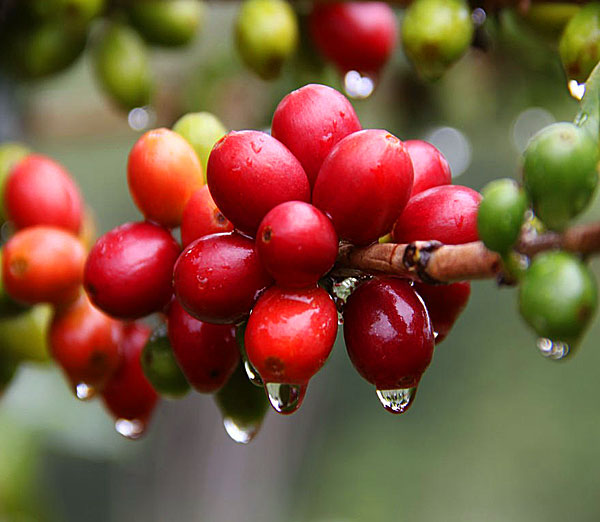
History of Arabica beans Arabica bean varieties derived from Arabica beans
The origin of the historical Arabica species (Coffea arabica) is the Abyssini Arabica sub-plateau (Abyssinia, now known as the Ethiopian plateau) in Ethiopia. In the early days, it was mainly eaten as medicine (Islamic monks used as a secret medicine to cure the body and mind or to awaken the brain), developed the habit of baking and drinking in the 13th century, and passed through the Arab region in the 16th century.
2016-03-22 Rabbi Kadou History Source Variety Card species Coffea
Arabica coffee bean variety Arabica variety
Arabica bean scientific name: coffea arabica (Arabica bean) family: Rubiaceae coffee tree can be divided into two main varieties: Arabica species (coffea arabica) and Robusta species (coffea robusta/coffea canephora) (rare on the market). Arabica (Coffea arabica) is the most traditional Arabica coffee variety. Originated in the east
2015-03-10 Arabic Coffee Bean Variety Rabbi Card seed Kadou Scientific name coff
Arabica Coffee Bean Coffee Manor introduction Arabica Coffee Manor
The origin of the Arabica species (Coffea arabica) is the Abyssini Arabica subplateau (Abyssinia, now known as the Ethiopian plateau) in Ethiopia. In the early days, it was mainly eaten as medicine (Islamic monks used as a secret medicine for physical and mental therapy or for awakening the brain), developed the habit of baking and drinking in the 13th century, and passed through Allah in the 16th century.
2016-07-11 Rabbi coffee beans coffee manor introduction rabbi card species Coffea a
Arabica, the most traditional Arabica coffee variety.
Arabica bean scientific name: coffea arabica (Arabica bean) family: Rubiaceae coffee tree can be divided into two main varieties: Arabica species (coffea arabica) and Robusta species (coffea robusta/coffea canephora) (rare on the market). Arabica (Coffea arabica) is the most traditional Arabica coffee variety. Originated in the east
2014-12-03 Traditional Arabic coffee variety rabbi card species kadou scientific name co
The most traditional Arabica coffee variety, Rabica.
Arabica bean scientific name: coffea arabica (Arabica bean) family: Rubiaceae coffee tree can be divided into two main varieties: Arabica species (coffea arabica) and Robusta species (coffea robusta/coffea canephora) (rare on the market). Arabica (Coffea arabica) is the most traditional Arabica coffee variety. Originated in the east
2015-02-05 Traditional Arabic coffee variety rabbi card species kadou scientific name co
Arabica, the most traditional Arabica coffee variety.
Arabica bean scientific name: coffea arabica (Arabica bean) family: Rubiaceae coffee tree can be divided into two main varieties: Arabica species (coffea arabica) and Robusta species (coffea robusta/coffea canephora) (rare on the market). Arabica (Coffea arabica) is the most traditional Arabica coffee variety. Originated in the east
2015-04-28 Traditional Arabic coffee variety rabbi card species kadou scientific name co
Introduction to the price of Arabica coffee beans the characteristics of Arabica coffee beans
Arabica coffee trees grow between 900m and 2000 m above sea level; they are hardy, and the suitable growth temperature is 1524 ℃; they need more humidity, and the annual rainfall is not less than 1500 ml. At the same time, they also require higher cultivation techniques and conditions. Arabica coffee beans are mainly grown in South America (except Argentina and parts of Brazil), Central American countries and Africa.
2016-07-26 Rabbi coffee producing area introduction coffee beans price characteristics rabbi card
The most traditional Arabica coffee variety-Arabica Arabica coffee
Arabica bean scientific name: coffea arabica (Arabica bean) family: Rubiaceae coffee tree can be divided into two main varieties: Arabica species (coffea arabica) and Robusta species (coffea robusta/coffea canephora) (rare on the market). Arabica (Coffea arabica) is the most traditional Arabica coffee variety. Originated in the east
2016-02-29 Traditional Arabic coffee variety rabbi card species kadou scientific name co
Introduction to the characteristics of Arabica Coffee beans in Coffee Manor of Ethiopia
Arabica is deeply loved by Chinese people with a short history of coffee contact because of its strong fruity aroma. it was introduced to China by missionaries in the 19th century and was widely planted in Panzhihua, Sichuan, and the dry-hot valley of the Jinsha River in western Yunnan, where the sunshine was long and there was a big temperature difference between day and night. The local people solved the problem of insufficient seasonal rainfall by diverting water up the mountain.
2016-07-30 Ethiopia Coffee Manor producing area introduction Rabbi Coffee beans characteristics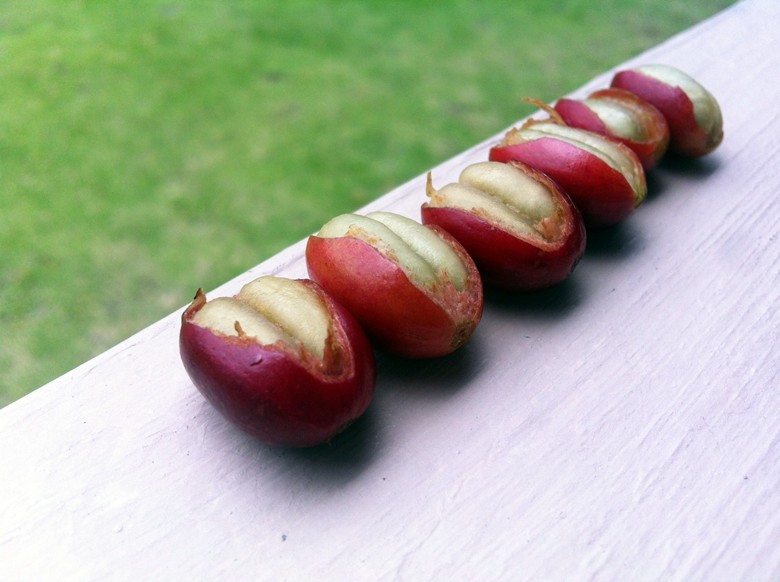
What is Arabica Coffee Bean? nutrition of Arabica Coffee beans
What are Arabica coffee beans? what are Arabica coffee beans? It is also one of the coffee beans, but it is also an important kind of commercial coffee, and its most obvious feature is its high-quality aroma and sour taste. Secondly, Arabica coffee beans are mainly produced in South America (except parts of Argentina and Brazil), Central America, Africa (Kenya, Ethiopia).
2016-04-25 Rabbi coffee beans what is nutrition efficacy rabbi that is
Introduction to the planting situation of Arabica Coffee Manor
Arabica coffee trees grow between 900m and 2000 m above sea level; they are hardy, and the suitable growth temperature is 1524 ℃; they need more humidity, and the annual rainfall is not less than 1500 ml. At the same time, they also require higher cultivation techniques and conditions. Arabica coffee beans are mainly grown in South America (except Argentina and parts of Brazil), Central American countries and Africa.
2016-07-12 Rabbi card seed coffee origin introduction manor planting situation rabbi card species
Introduction to the flavor and taste of Arabica seed manor of small seed coffee
Arabica is deeply loved by Chinese people with a short history of coffee contact because of its strong fruity aroma. it was introduced to China by missionaries in the 19th century and was widely planted in Panzhihua, Sichuan, and the dry-hot valley of the Jinsha River in western Yunnan, where the sunshine was long and there was a big temperature difference between day and night. The local people solved the problem of insufficient seasonal rainfall by diverting water up the mountain.
2016-07-16 Small grains coffee rabbi card seed manor producing area flavor taste introduction